Food Systems Transformation
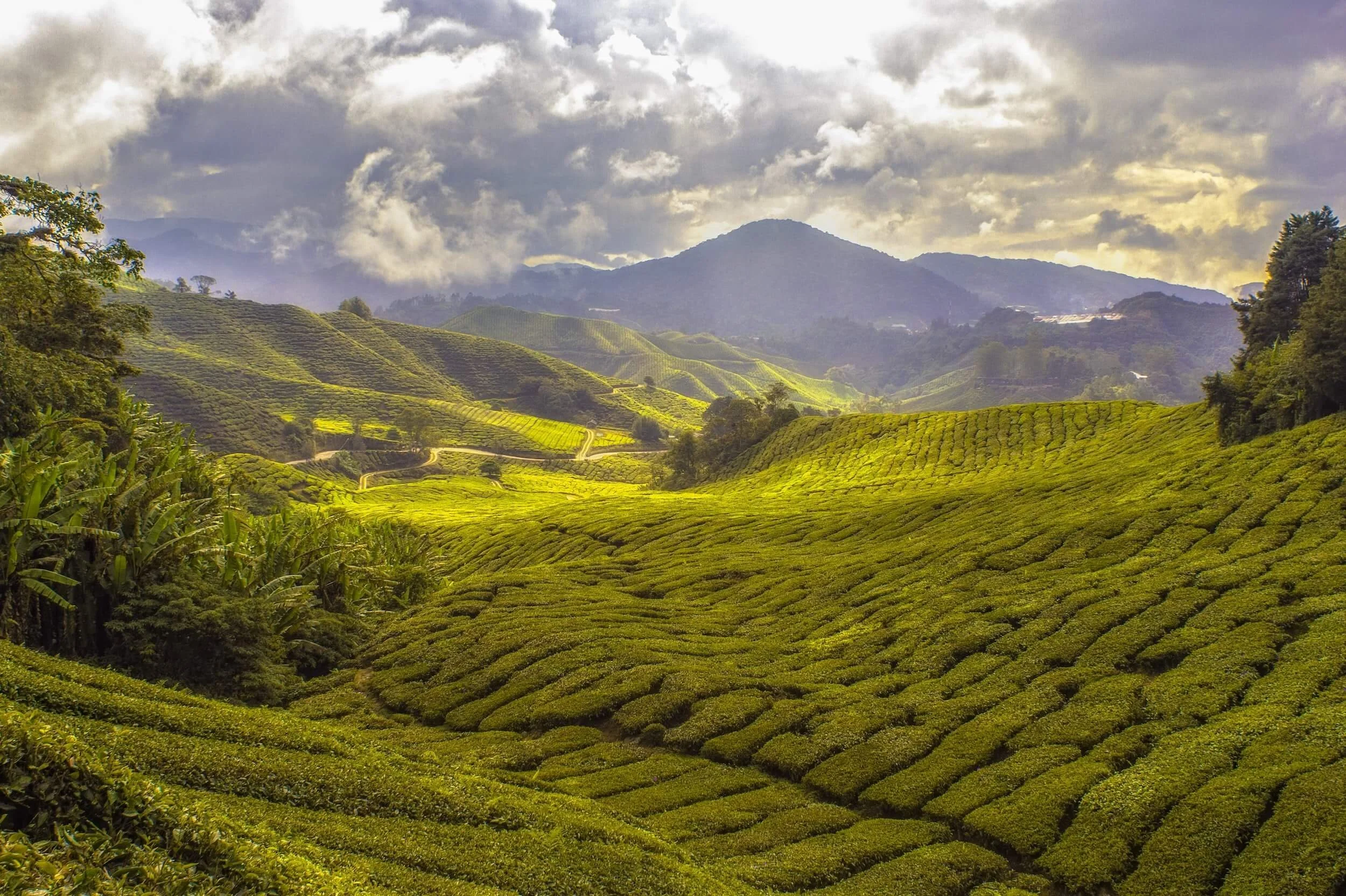
For decades, the industrial model of our food systems has eroded planetary health and human well-being.
Climate Bridges advocates for a holistic shift: the adoption of agroecology, unlocking triple wins for climate, people and nature.
We can start with local projects, build bridges to regional programs, and together aim for global transformation. Agroecology is not a niche alternative, but rather a transformative approach that regenerates ecosystems, restores soil health, and builds resilient communities that produce nutrient-rich food systems ready to thrive in a changing climate. Local, organic, “real food”, produced equitably, is our model. We are co-creating several Initiatives towards these goals — read further to explore our Initiatives!
Initiatives
Transforming food systems takes more than good ideas — it takes action. These initiatives are where our vision meets the ground, plants a seed and helps it grow.
-
Taking care of the women who are feeding us:
This is a targeted, global well-being initiative connecting women-led farms and grassroots organizations across regions, to help strengthen the human backbone of regenerative agriculture and address the structural barriers to systems change. The Sister-Farms program combines:
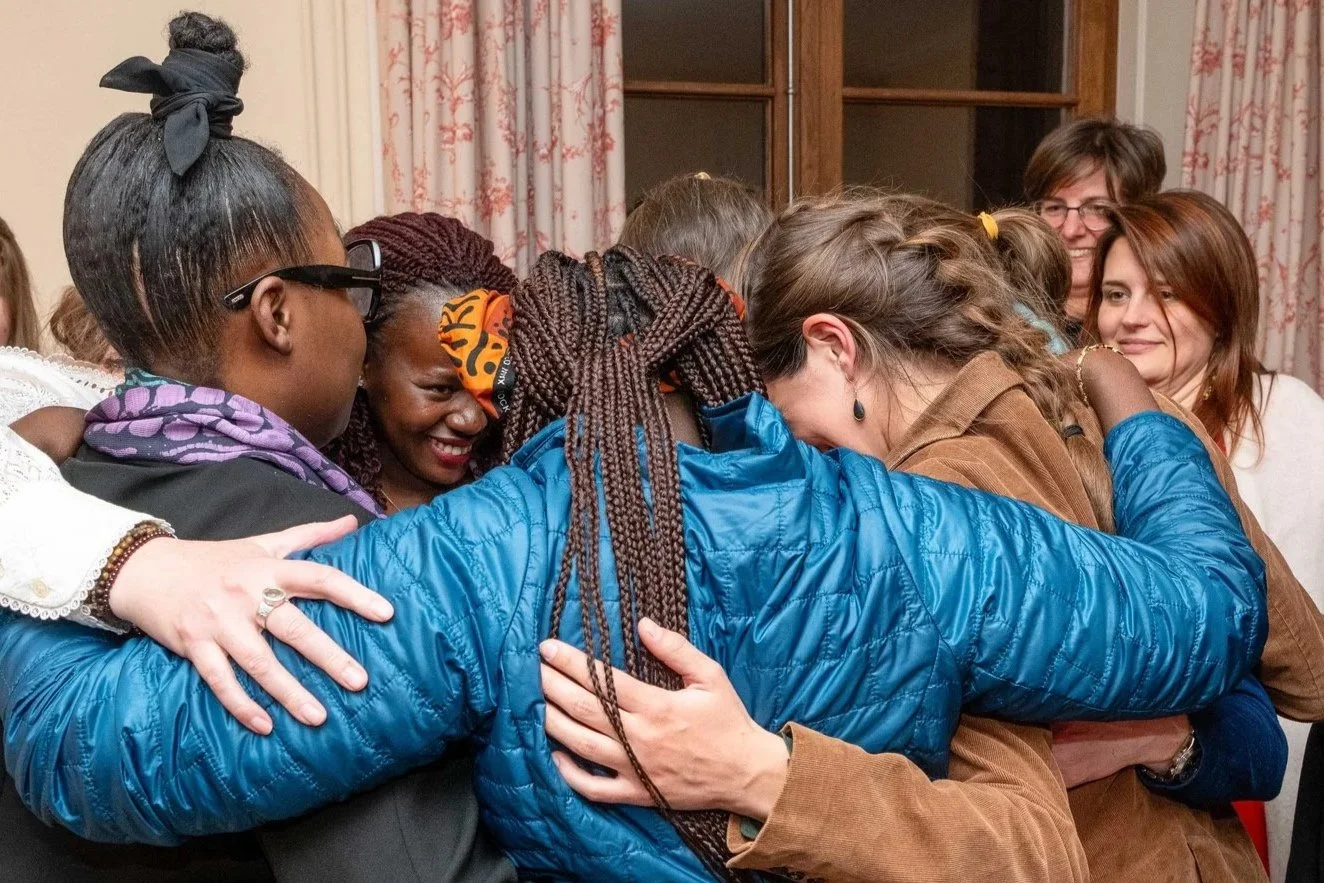
A safe exchange space for women farmers to reduce isolation and build solidarity
Peer-to-peer interaction and exchange via the Be One Mentoring Platform
A focus on mental resilience and wellbeing support, including facilitated circles and knowledge exchange
Creation of visibility and leadership amplification at global gatherings, including the Global Conscious Food Systems Summit (Bhutan) and COP processes, as well as more sustainable exposure across global markets
Learn more about the program here.
Or directly sign up to the program, via the OneUpOneDown mentoring platform
-
The Real Food Systems Youth Network (RFS) was created in 2019 as a place for youth to learn, share, and shine in the food systems space.
The network, embracing and supporting youth as essential food systems actors, has been affiliated with Climate Bridges from the onset, and in 2025 RFS was officially integrated into Climate Bridges as the RFS Initiative. RFS has always provided a safe space for youth to learn, grow, and network, and importantly showcase the amazing work of its members. RFS was instrumental in creating the FAO World Food Forum Agrifood Leadership Education Program (see separate ALEP description) that grew from ten participants in the 2025 pilot program to 94 participants in the 2026 program.
-
Real Food Systems developed this program with the FAO World Food Forum (WFF) Education Team in 2024, and launched the pilot year in 2025 with 10 participants. To honor the UN International Year of the Woman Farmer, ALEP2026 supports 94 young women. For the Program’s “Explore” phase, CB/RFS set up a set of "soft skills" classes (Conscious Food Systems; Mindfulness and Well-Being; Communications; Policy/Advocacy; and Understanding Financial Strategies). Participants develop a project with their National Chapter of the WFF. Five projects will be chosen to represent ALEP Women 2026 at the WFF flagship event in Rome in October. A“gender lens” frames the entire program. We are excited to see how these strong and dynamic women are already emerging as leaders in food systems transformation!
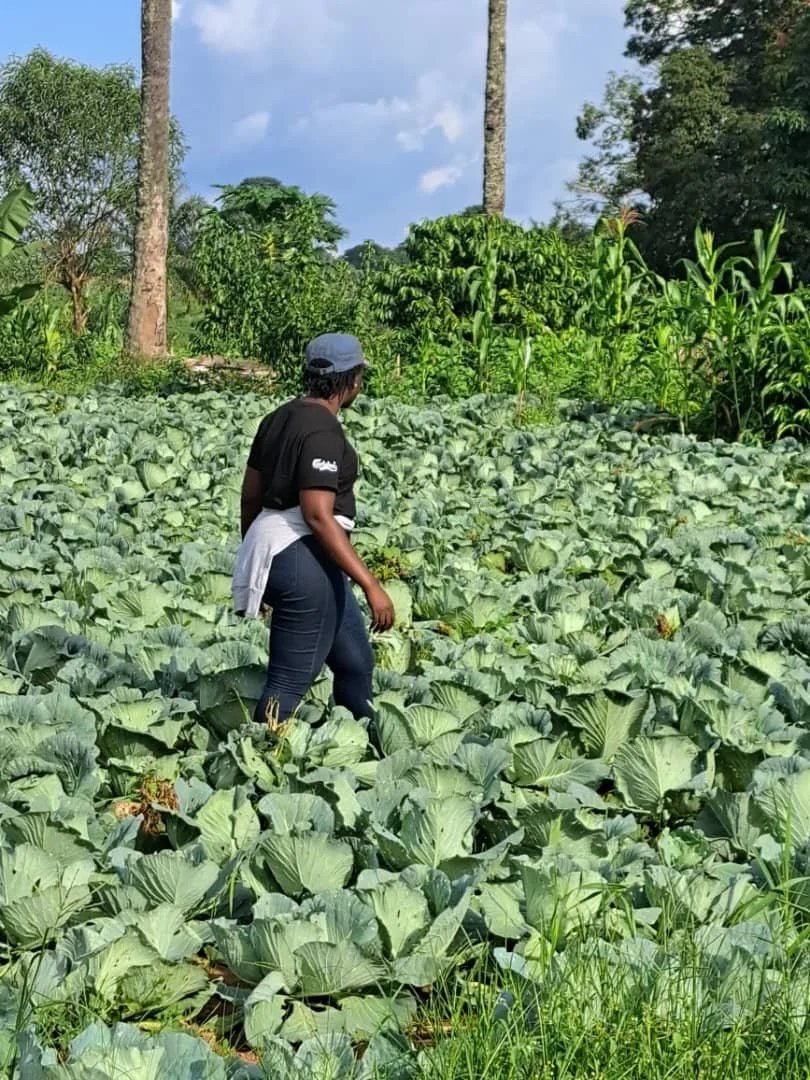
Meet our two first Sister Farmers
“Go in with an open mind. You are here to learn and you are here to teach and you’ll find yourself taking in so much.”
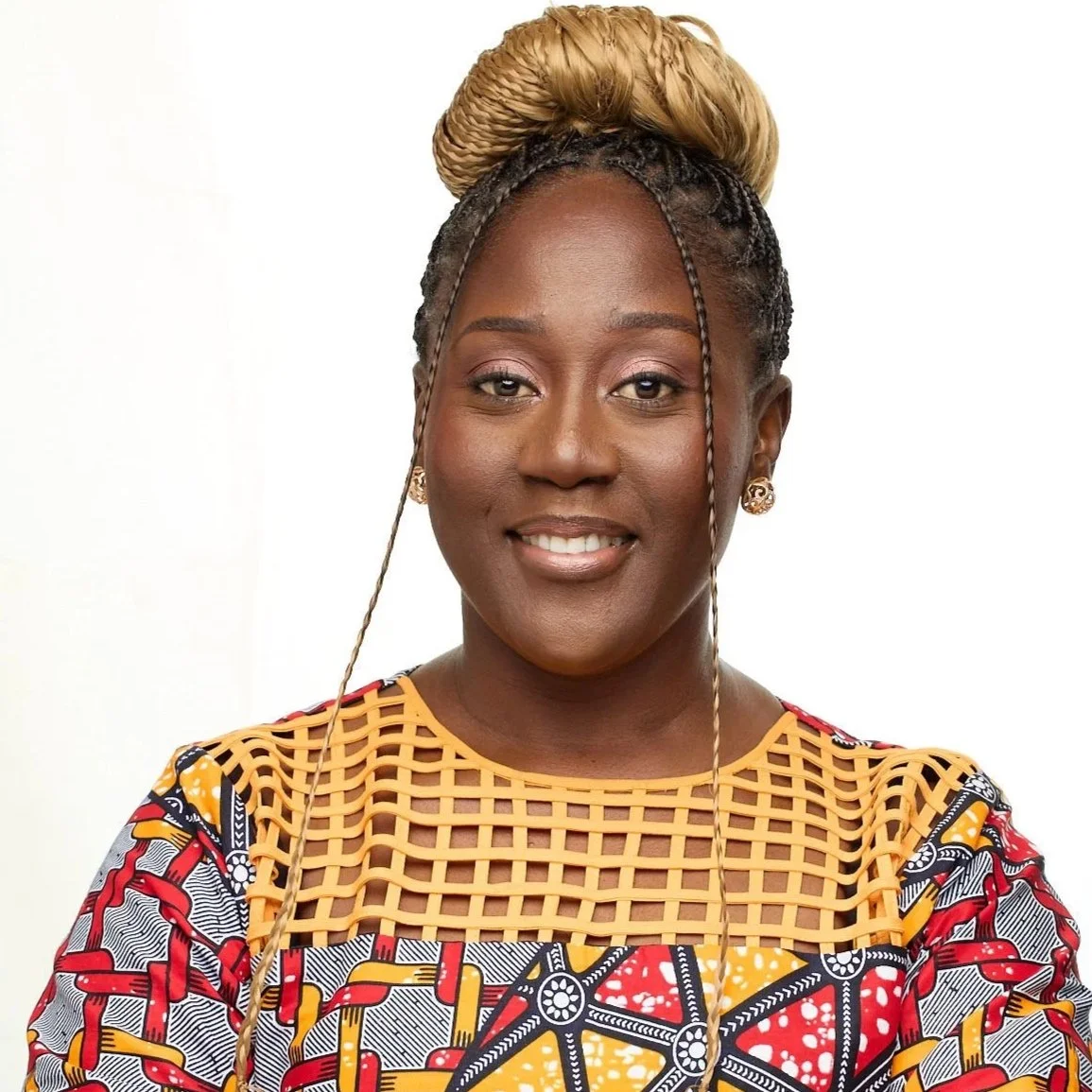
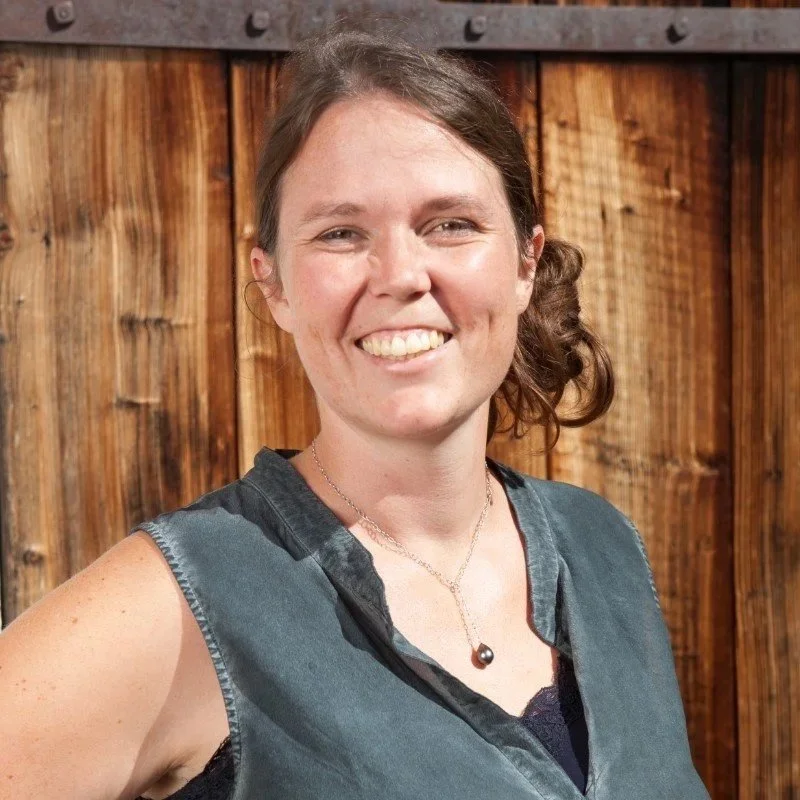
“It doesn’t matter where we are. What matters is that we bring our hearts together and understand that we are all working on the same things.”
DONATE NOW
DONATE NOW
Women Leading Food Systems Transformation
We are raising funds to sponsor women farmers and food entrepreneurs to attend the first-ever Global Conscious Food Systems Summit in Bhutan from 31 August – 4 September 2026. Beyond the summit, they will benefit from a mentorship program for longer term impact.
Climate Bridges is closely involved in the programming of the event and has been invited by the UNDP Secretariat supporting the Global Conscious Food Systems Summit to be the thematic lead for the Women Leadership Circle.
Click here to learn more about the Summit.
Partners
The best work happens in good company.
We are proud to be creating a more resilient food future alongside these organizations.
-
The Conscious Food Systems Alliance (CoFSA), convened by the United Nations Development Programme (UNDP), is a movement of food, agriculture, and consciousness practitioners united around a common goal: to support people from across food and agriculture systems to cultivate the inner capacities that activate systemic change and regeneration.
Together with CoFSA, Climate Bridges has worked on several initiatives, including the Global Climate Meditation for COP30, the launch of the CoFSA Switzerland Hub and the Global Conscious Food Systems Summit in Bhutan, where we are actively contributing to shape the content, as well as ensuring that important stakeholders - namely, women farmers - are guaranteed a seat at the table.
-
The Food and Climate Action Group is an independent coalition of 25+ international NGOs evolving from the 50by40 partnership network, advocating for food systems transformation within the UNFCCC framework and United Nations spaces. The coalition's mission is to reduce our reliance on industrial animal-centric food systems as a pathway to stay within the Paris Agreement targets. The group promotes a shift towards more plant-rich, affordable, healthy diets, and equitable and resilient agroecological practices that benefit small-scale producers and communities.
Real Food Systems and Climate Bridges are aligned well with this group, similarly driven by collective impact. The coalition publishes submissions and open letters to UN platforms (it is also advocating to increase plant-based foods in UN cafeterias and UN-related catering). Some examples of recent submissions can be found here.