
Outcomes from COP30: Where Bridge-Building Delivered Progress—and Where It Must Accelerate
A Step Forward for Finance, Forests, and Inclusive Leadership
Belém, Brazil - Situated in the heart of Amazonia, COP30 concludes at a moment when trust in multilateralism is fragile and climate impacts are intensifying. As Mary Robinson, Co-Founder of Project Dandelion and member of The Elders, reminded us: “The deal isn’t perfect and is far from what science requires. But at a time when multilateralism is being tested, it is significant that countries continue to move forward together… We saw real steps in establishing a just transition mechanism, agreeing on a gender action plan, and calling to triple adaptation for vulnerable nations by 2035.”
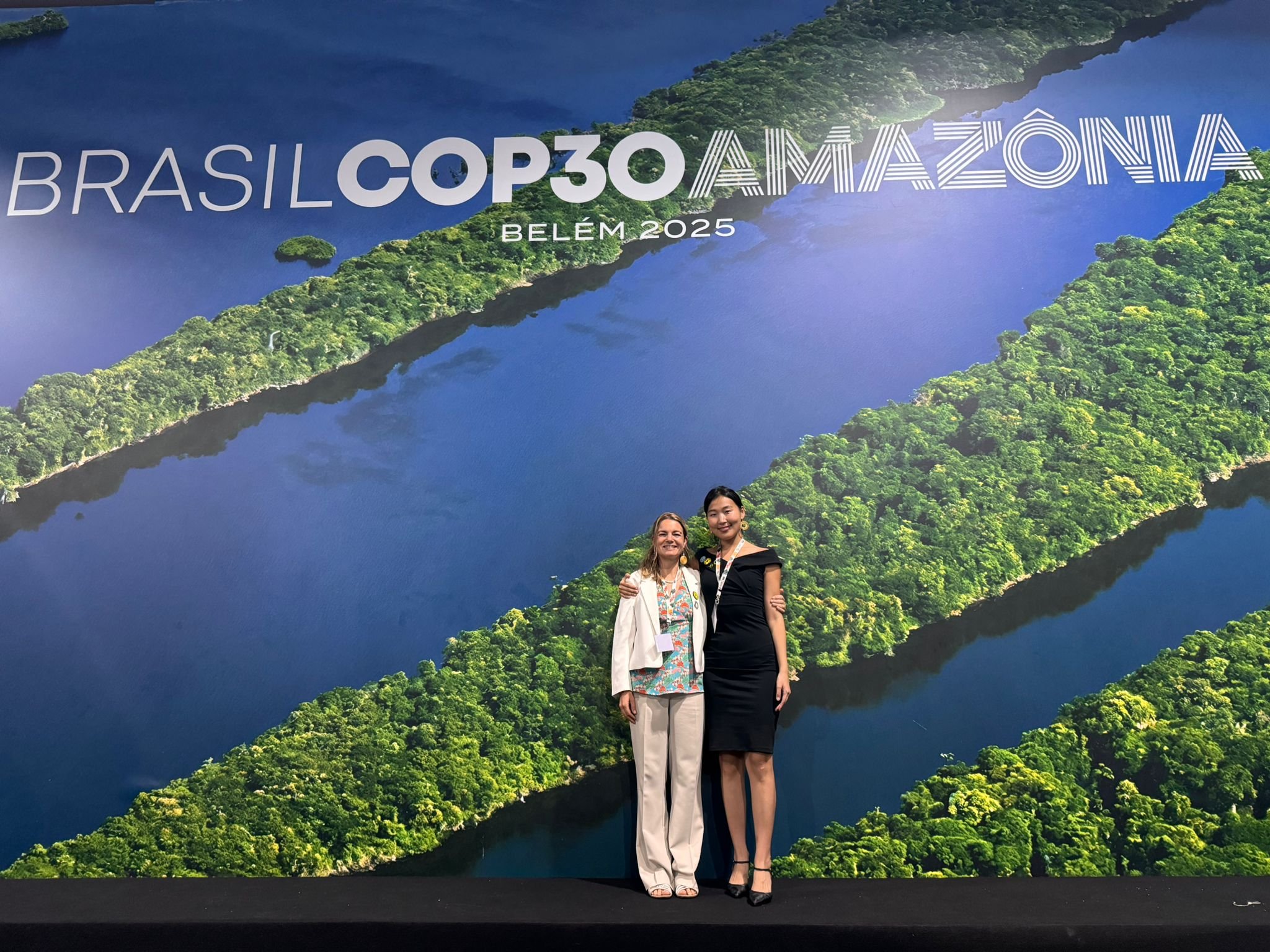
Khulan Amarsaikhan Berger, member of Climate Bridges and COP30 Mongolia delegate, captured this dual reality: “COP30 offered rays of hope through progress on adaptation finance, forests, and inclusion, yet it fell short of the decisive systemic shifts required, especially a fossil-fuel phase-out and binding commitments. The path forward demands that we lead differently, by working together across sectors, engaging stakeholders with humility, and turning ambition into collective action through responsible societal models.”
COP30 delivered meaningful progress in areas where cooperation held, while leaving critical gaps that must be urgently addressed. Throughout the summit, the Climate Bridges team focused on building bridges across three interconnected pillars essential for systemic change: Finance, Food and Forests, and Women and Youth Empowerment.
1. Finance: Investing in Impact
COP30 made notable advances on climate finance. Countries agreed to triple adaptation finance by 2035, prioritising vulnerable nations and grant-based funding. The establishment of a Just Transition Mechanism provides a new framework to shift toward low-carbon economies in ways that protect rights, livelihoods, and communities.
The adoption of the 2026–2030 Global Climate Action Agenda elevates climate finance, technology, and enabling conditions as accelerators of global progress. Climate Bridges is particularly encouraged that the global partnership to accelerate finance for women entrepreneurs, which we helped co-create, forms a key part of this agenda.
Yet without a roadmap to phase out fossil fuels, finance flows continue to move in conflicting directions. Aligning public and private investment with a just transition must be a priority ahead of COP31.
2. Food and Forests: Transforming Agrifood Systems for People and Planet
A major outcome in Belém was the launch of the Tropical Forests Forever Facility (TFFF), with USD 9.5 billion already mobilised. This offers new potential to protect forests that underpin climate stability, food security, and Indigenous Peoples’ rights. Inclusive governance for this Facility will be essential to its legitimacy and long-term impact.
Progress on food systems within the negotiations was limited. “Food systems transformation appeared to be neglected in official COP30 outcomes. A just food systems transition road map – and food systems in NDCs – should be a top priority, since a massive change in how we grow and consume food is instrumental in limiting global warming to even 2°C,” said Karlee Schnyder, Co-Founder of the Real Food Systems Youth Network and Board Member of Climate Bridges
The inclusion of food systems as one of the six pillars of the Global Climate Action Agenda marks an important shift. Climate Bridges will continue to advance nature-positive food systems, agroecology, and youth and Indigenous-led initiatives.
Delivering a just transition for food and forests will require clearer roadmaps, stronger political commitment, and better coordination across sectors. Belém made early steps, but the scale of change required remains far greater.
3. Women and Youth Empowerment: Embedding Inclusion in Climate Leadership
One of the most promising outcomes of COP30 was the adoption of the 10-year Gender Action Plan, backed by Green Climate Fund financing. This affirms the central role of women and girls in driving adaptation, resilience, and innovation.
COP30 also showcased unprecedented visibility for Indigenous Peoples and youth movements, whose leadership is essential for effective climate action. Yet visibility must translate into genuine power. Governance bodies for forest finance, adaptation, and just transition mechanisms must include women, Indigenous leaders, and youth as equal partners.
“The launching of the Tropical Forests Forever Facility leaves room for hope, and it constitutes a step forward. Nevertheless, despite being the COP with the highest presence of Indigenous Peoples, COP30 did not match the expectations in terms of Territorial Authorities’ real participation in decision making spaces. Indigenous Peoples made their voices heard at COP30, now it is up to us as a society to show we heard them loud and clear,” said Verónica Troya, Food Systems Lead, Climate Bridges.
Climate Bridges will continue working to ensure diverse leadership is embedded at every stage of climate decision making.
Looking Ahead
COP30 did not deliver everything the science demands. But it demonstrated that progress remains possible when governments, civil society, and communities choose cooperation over division.
“The Brazilian Presidency’s Mutirão spirit— centering the integrity of climate science, for the “COP of truth”, and uniting humanity around our shared purpose, the protection of the Earth, provides an essential foundation for future action,” said Elise Buckle, Founder & CEO of Climate Bridges, Senior Advisor to the Women Entrepreneurs Finance Initiative at the World Bank, International Gender Champions Co-Chair of the Climate Impact Group and Member of the Club of Rome, who led the network’s delegation at COP30.
“For Climate Bridges, the final round of negotiations in Belem demonstrated the urgent need for upcoming Presidencies to facilitate more open dialogues among nations to build more trust before the COP decisions are approved in plenary. We stand ready to support Turkey, Australia and the Pacific Islands to champion a new model of shared leadership. We feel energised by the launch of the new Global Action Agenda which includes the important pillars of food systems transformation and finance for women entrepreneurs.
The G20 Heads of States declaration adopted in South Africa also demonstrates that food security, climate resilience and just energy transition are still a the top of the agenda for the world leaders of the largest economies, with the notable exception of the USA. We leave COP30 with determination, strengthened alliances, and a commitment to shaping a more just and liveable future for all.”
Read Climate Bridge’s full analysis of COP30 outcome here