
Why peace among people and peace with the Earth must become one shared commitment
I come from La Paz, Bolivia, a city whose name means peace. So when the Planetary Peace Partnership (PPP) was introduced at the Geneva Peace Forum, it spoke to me on a personal level. Wars continue to devastate communities, geopolitical tensions are deepening, and the climate crisis is accelerating. In that context, planetary peace feels not only timely but necessary.
What does it mean to come from a city called Peace in a world where peace is so fragile? And what does peace mean when the Earth that sustains us is under growing pressure?
A New Global Alliance
The Planetary Peace Partnership brings together people and organizations working on climate, peacebuilding, regeneration, and systems transformation. Its starting point is that peace is more than the absence of war. It is the presence of regenerative relationships: within ourselves, between people, between humanity and nature, and between present and future generations.
The PPP was soft-launched on 13 October at the Geneva Peace Forum, with the Club of Rome as co-creator. Climate Bridges brings experience in convening multi-stakeholder dialogue and in linking inner transformation with systemic change.
As part of the Climate Bridges community, I feel deeply connected to this vision. Building bridges across disciplines, perspectives, and communities is not only about bringing people together. It is about recognizing our interdependence, rebuilding trust, and creating the conditions for collective action.
“We cannot build lasting peace on a planet experiencing ecological breakdown, just as we cannot address the climate crisis without addressing the inequalities, vulnerabilities, and conflicts that divide us”
Why Peace and Planet Belong Together
The Club of Rome’s 2025 paper, Planetary Peace for Human Security, argues that peace frameworks shaped by post-war, state-centered thinking are no longer enough. The threats we face are ecological, cross-border, and deeply interconnected, so peace has to be understood through the wellbeing of people, the planet, and future generations.
War destroys lives, displaces families, and damages the environments people depend on. Climate change can intensify those same vulnerabilities, putting pressure on food, water, livelihoods, and human security. Climate change does not automatically lead to conflict, and these crises are not identical. But they intersect, and that intersection requires a broader idea of peace.
Latin America, Up Close
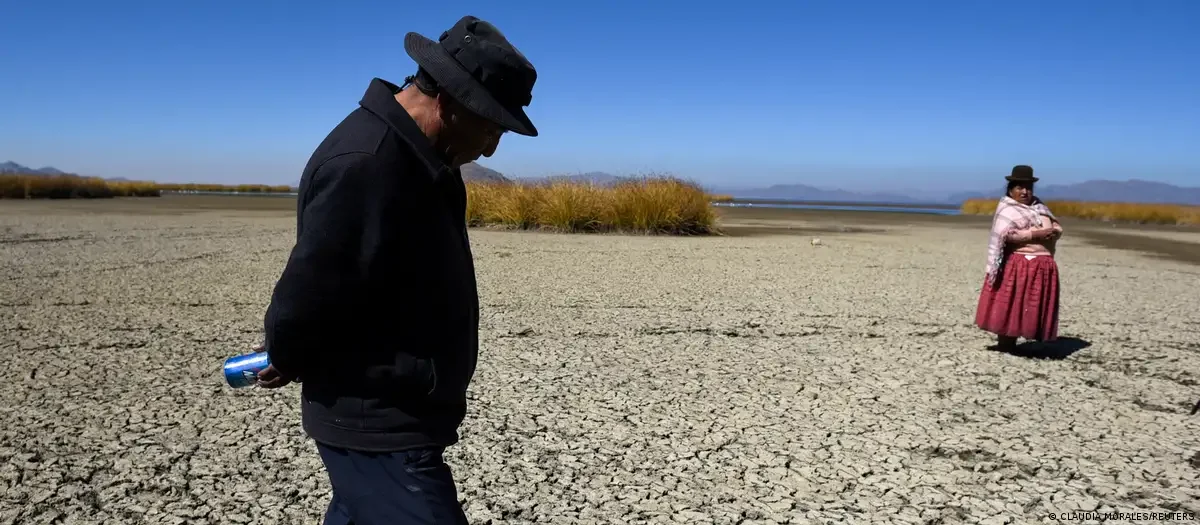
Image: CLAUDIA MORALES/REUTERS
In Bolivia, the relationship between people and nature is woven into everyday life, culture, and identity. From the Andes to the Amazon, ecosystems sustain communities and remind us how exposed we are to environmental change.
This year the effects are already visible. According to the Bolivian Ministry of Defense, between 1 June and 29 October 2026, 114,048 families were affected by drought linked to El Niño. The count includes households that lost income and those with direct losses. The report also lists 1,486 communities, 167,511 hectares of crops, and 75,013 head of livestock affected or lost. The government declared a national emergency, and the minister warned that some regions are receiving less rain than they need, while lowland areas may face floods. (Source: swissinfo.ch article, 1 Nov 2026)
Behind these numbers are people: families worried about their harvests, communities protecting their water sources, young people wondering what kind of future awaits them, and local leaders searching for solutions with limited resources. For those already facing economic hardship, climate shocks make existing inequalities even harder to overcome. This is where planetary peace becomes concrete. It is a question of human security, and of whether people can live with dignity and trust that their future is worth protecting.
Communities as Knowledge Holders
Communities are not only victims of overlapping crises. They are sources of knowledge, resilience, and innovation, and their leadership has to be part of the solutions.
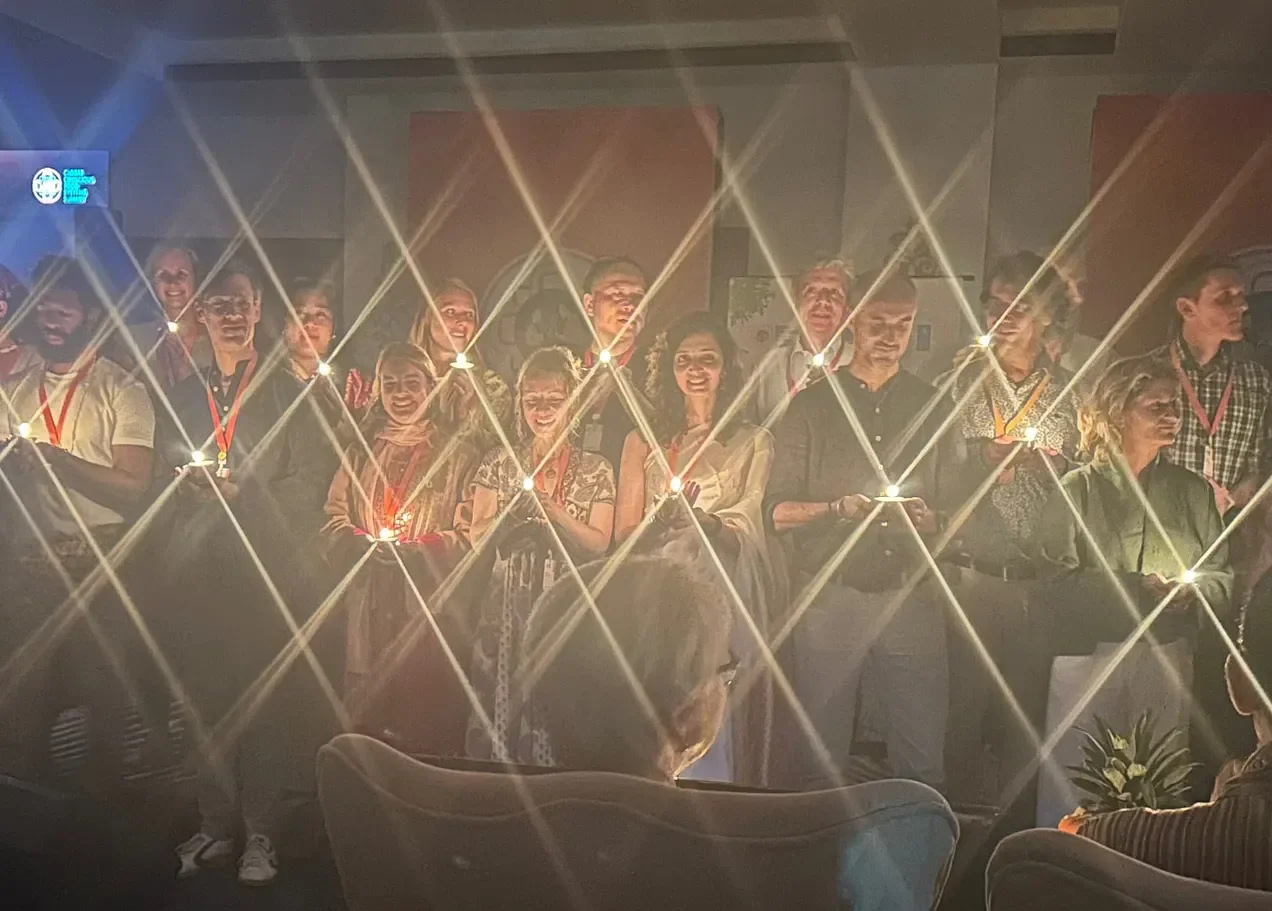
At the Global Conscious Food Systems Summit in Bhutan, this idea took a concrete form. In a sense-making session, Dalmas Tiampati, a Maasai Land and Community Steward from Kenya, and Climate Bridges founder Elise Buckle stood on stage together, holding hands, to invite the audience to overcome the crisis of separation. (See article: “A Love Letter to Mother Earth”)
The transformation we need will not come from a single institution, government, or organization. It needs a movement of movements: people from different fields who share the understanding that our futures are inseparable. It needs diplomacy that listens, leadership that builds trust, climate action that puts people and ecosystems first, and technology that serves humanity rather than deepening division.
What Comes Next
The soft launch in Geneva was a first step. Climate Bridges will bring this work to COP31 in Turkey, where we plan to engage government delegations and strategic partners. Planetary peace is one of three policy priorities in our work, alongside food systems and the empowerment of women and youth. (Link: Climate Bridges at COP31)
Peace cannot remain a word in declarations. It has to show up in how we treat one another, how we care for the Earth, and how we make decisions for generations to come.